IN THIS POST I share with you one of the most touching and profound words of Uranda I’ve ever read anywhere. Words that bring me to tears of joy and of unspeakable love that rises up from the depth of my soul for this One that I am, and we all are, privileged to call Master, Son of God, LORD of Lords and King of kings — and, as George Frederick Handel called Him in his Oratorio Masterpiece, Messiah, “Wonderful, Counselor, the Mighty God, the everlasting Father, the Prince of Peace.”
*~*~*~*
My thoughts turn to some of the words of the Master tonight: “Yet I am not alone, because the Father is with me. These things I have spoken unto you, that in me ye might have peace. In the world ye shall have tribulation: but be of good cheer; I have overcome the world.” And we are, also, to overcome the world.
I was thinking that, in the conclusion of the activities of a blessed day such as this, we might well again give thought to the Master’s Prayer at the time of the conclusion of His Ministry. The conclusion of His Ministry was peculiarly the point where our Ministry begins. The time that has elapsed since has no meaning in that. He had been outlining the Principles of the One Vine and of the means by which we might let the Works of the Father manifest.
“Verily, verily, I say unto you, Whatsoever ye shall ask the Father in my name, he will give it you. Hitherto have ye asked nothing in my name: ask, and ye shall receive, that your joy may be full… For the Father himself loveth you, because ye have loved me, and have believed that I came out from God. I came forth from the Father, and am come into the world: again, I leave the world, and go to the Father.”
He had also outlined the Principles with respect to the work of the Comforter or Spirit of Truth. He had pointed the Way to Life. It remained for those who should follow after to prove that Life, to experience it according to His Word. And then, in the conclusion of that Ministry, He gave a prayer—a prayer that is our beginning point.
“Father, the hour is come; glorify thy Son, that thy Son also may glorify thee”. He was, of course, the manifestation of the Son of God, but He was returning to the Father and He had outlined the Plan by means of which the Son, the only begotten Son of God, should continue on earth. The interval of time that has elapsed before that Plan began to be of effect should be, in our consideration, forgotten, as it were, that it may be meaningless. The trials and the tribulations, the concepts, the efforts and the failures of that interval must not be allowed to have meaning in relationship to our function. From the standpoint of Reality, those things do not have meaning. The connecting thread, the unifying Current, is not less strong because of the passage of that time. Our attitude and our feeling and our function should be as if we had heard these words for the first time a few days ago, as if only a month ago He had stood with us upon the face of the earth, as if it were but yesterday that the vibrant sound of His Voice fell on our ears, as if we, in this flesh, had seen Him come forth Victoriously from the tomb, as if we had, in person, shared His final words of admonition and instruction, as if we had known that hour when He ascended to return no more until what He had begun should have been finished in the hearts and lives of men.
The human mind is so inclined to feel the distance of the intervening years, so that there is a loss in a consciousness of personal contact. The Son is the One Christ Body on earth, then and now. The meaning of the Word as He spoke it with respect to His own manifestation is not to be construed as the only meaning, for He spoke also of that Body that is—“Father, the hour is come”. His was the hour of departing; ours is the hour of beginning, of moving forward in fulfilment. The Father glorified the Son then. He is just as capable of glorifying the Son now. “The hour is come. Glorify thy Son”. Why? “That thy Son also may glorify thee”. The beginning and the end, or the end and the beginning, are the same.
He was here on earth. It seems but yesterday we heard Him speak. It seems but the passage of a moment since His prayer first ascended as sweet incense unto God. Time—these things transcend all time. It was but yesterday He gave the Promise. Today we let that Promise be fulfilled. We remember how our hearts were stirred at the sound of His Voice, and the passage of an hour or a day cannot quiet that stirring or end that surge of consciousness of the Power of God. It is now, in this hour, that the Spirit of His Word finds fulfilment in our hearts. It is now, in this hour, that we let His Promise be fulfilled. The excitements and the questionings, the fears and the doubts, have been stilled. We have ceased trying to make it be so, for in the vibrant Power of His Love we are not separate or apart and we know that the Father Himself loveth us because we have loved Him, because we do love Him Who has walked the earth before us, Who has revealed the Way, the Truth and the Life.
“The hour is come” for us to let the Father glorify His Son, that the Son may glorify the Father. We trembled, and were sad, that the hour had come when He should leave us, but we did not let such things prevent fulfilment of His Word lest what He did should be in vain. The hour of His going was the hour of our beginning, and it is so still, for though He went He has not departed, for His Spirit lingers in our hearts and His Word is as powerful as when it first fell from His lips, Words burned in letters of Fire upon our hearts, memorable occasions that could never pass from mind. Yesterday His hour came—today is our hour of fulfilment in beginning.
“Father, the hour is come; glorify thy Son, that thy Son also may glorify thee: As thou hast given him power over all flesh, that he should give eternal life to as many as thou hast given him. And this is life eternal, that they might know thee the only true God, and Jesus Christ, whom thou hast sent.”
“And this is life eternal, that they might know thee the only true God”, and the Christ, the only begotten Son—then Jesus—now the One Christ Body Whom Thou hast sent. “I have glorified thee on the earth: I have finished the work which thou gavest me to do”. How truly is that our point of beginning. How seldom on this earth has the word reverberated in truth—“I have finished the work”. We have seen in the world the feeble attempts at doing some bit of work—human beings, like children, building castles in the sand to admire in one moment and to destroy in the next, and then to delude themselves into feeling that they had accomplished something. And how they brag about the mansions they builded in the sand; but we consider other mansions, Mansions in the Father’s House.
“I have finished the work which thou gavest me to do”—and in season the Son shall again speak these words, but before those words may be truly spoken once more, there must truly be the beginning, the opening up, that comes through the surging Power of His Spirit as we hear again, in memory, His Word, “And now, O Father, glorify thou me with thine own self with the glory which I had with thee before the world was. I have manifested thy name unto the men which thou gavest me out of the world: thine they were, and thou gavest them me; and they have kept thy word.” That was but yesterday, surely. It is but a dream that some did not keep His Word. There must now be fulfilment which gives meaning to His faith when He spoke that Word, that when these words sound in memory, and stir within our hearts, they shall not be as a mockery, a symbol of the faith of the Son of God that found no answering heart on earth, but a symbol of the faith of the Son of God that finds fulfilment here and now in His Son on earth.
“And they have kept thy word. Now they have known that all things whatsoever thou hast given me are of thee. For I have given unto them the words which thou gavest me; and they have received them, and have known surely that I came out from thee, and they have believed that thou didst send me. I pray for them: I pray not for the world, but for them which thou hast given me; for they are thine. And all mine are thine, and thine are mine; and I am glorified in them.” Yes, the intervening time when these words remained unfulfilled is surely but a dream. Twas only yesterday He spoke, and today His Word finds fulfilment. Today we prove His faith was not in vain.
“And all mine are thine, and thine are mine; and I am glorified in them. And now I am no more in the world, but these are in the world, and I come to thee. Holy Father, keep through thine own name those whom thou hast given me, that they may be one, as we are. While I was with them in the world, I kept them in thy name: those that thou gavest me I have kept, and none of them is lost, but the son of perdition; that the scripture might be fulfilled. And now come I to thee; and these things I speak in the world, that they might have my joy fulfilled in themselves.” What was His joy? It was the joy of Oneness with the Father. It was the joy of Being the Son on earth. That is the joy that must be fulfilled in us, the joy of Oneness with the Father, the joy of Being the Son.
“And these things I speak in the world, that they might have my joy fulfilled in themselves. I have given them thy word; and the world hath hated them, because they are not of the world, even as I am not of the world. I pray not that thou shouldest take them out of the world, but that thou shouldest keep them from the evil. They are not of the world, even as I am not of the world. Sanctify them through thy truth: thy word is truth. As thou hast sent me into the world, even so have I also sent them into the world.” That is His Word. His Word is true, and we let it be so in us in this hour, and forevermore, for as the Father sent Him into the world, even so has He sent us into the world.
“And for their sakes I sanctify myself, that they also might be sanctified through the truth. Neither pray I for these alone, but for them also which shall believe on me through their word; That they all may be one; as thou, Father, art in me, and I in thee, that they also may be one in us: that the world may believe that thou hast sent me. And the glory which thou gavest me I have given them”—“And the glory which thou gavest me I have given them.” It is glory to be the Son on earth. “And the glory which thou gavest me I have given them; that they may be one, even as we are one: I in them, and thou in me, that they may be made perfect in one; and that the world may know that thou hast sent me, and hast loved them, as thou hast loved me. Father, I will that they also, whom thou hast given me, be with me where I am”—not where I shall be, where I am. He, the Son of God, stood on earth in the hour of fulfilment. He had finished the work. That was where He was in the hour of fulfilment. And He said, “Father, I will that they also, whom thou hast given me, be with me where I am”—and so it is His Will that we should stand in that Oneness of the Son in the hour of fulfilment. “That they may behold my glory. Which thou hast given me: for thou lovedst me before the foundation of the world. O righteous Father, the world hath not known thee: but I have known thee, and these have known that thou hast sent me. And I have declared unto them thy name, and will declare it: that the love wherewith thou hast loved me may be in them, and I in them.” (John 17)
Beloved LORD, we thank Thee that it is so, and we thank Thee for the Holy Privilege of sharing Thy Fulfilment on earth. In the Christ. Aumen.”
*~*~*~*
May your Easter be the happiest one ever. Until my next post,
IN THIS POST I share with you one of the most touching and profound words of Uranda I’ve ever read anywhere. Words that bring me to tears of joy and of unspeakable love that rises up from the depth of my soul for this One that I am, and we all are, privileged to call Master, Son of God, LORD of Lords and King of kings — and, as George Frederick Handel called Him in his Oratorio Masterpiece, Messiah, “Wonderful, Counselor, the Mighty God, the everlasting Father, the Prince of Peace.”
*~*~*~*
My thoughts turn to some of the words of the Master tonight: “Yet I am not alone, because the Father is with me. These things I have spoken unto you, that in me ye might have peace. In the world ye shall have tribulation: but be of good cheer; I have overcome the world.” And we are, also, to overcome the world.
I was thinking that, in the conclusion of the activities of a blessed day such as this, we might well again give thought to the Master’s Prayer at the time of the conclusion of His Ministry. The conclusion of His Ministry was peculiarly the point where our Ministry begins. The time that has elapsed since has no meaning in that. He had been outlining the Principles of the One Vine and of the means by which we might let the Works of the Father manifest.
“Verily, verily, I say unto you, Whatsoever ye shall ask the Father in my name, he will give it you. Hitherto have ye asked nothing in my name: ask, and ye shall receive, that your joy may be full… For the Father himself loveth you, because ye have loved me, and have believed that I came out from God. I came forth from the Father, and am come into the world: again, I leave the world, and go to the Father.”
He had also outlined the Principles with respect to the work of the Comforter or Spirit of Truth. He had pointed the Way to Life. It remained for those who should follow after to prove that Life, to experience it according to His Word. And then, in the conclusion of that Ministry, He gave a prayer—a prayer that is our beginning point.
“Father, the hour is come; glorify thy Son, that thy Son also may glorify thee”. He was, of course, the manifestation of the Son of God, but He was returning to the Father and He had outlined the Plan by means of which the Son, the only begotten Son of God, should continue on earth. The interval of time that has elapsed before that Plan began to be of effect should be, in our consideration, forgotten, as it were, that it may be meaningless. The trials and the tribulations, the concepts, the efforts and the failures of that interval must not be allowed to have meaning in relationship to our function. From the standpoint of Reality, those things do not have meaning. The connecting thread, the unifying Current, is not less strong because of the passage of that time. Our attitude and our feeling and our function should be as if we had heard these words for the first time a few days ago, as if only a month ago He had stood with us upon the face of the earth, as if it were but yesterday that the vibrant sound of His Voice fell on our ears, as if we, in this flesh, had seen Him come forth Victoriously from the tomb, as if we had, in person, shared His final words of admonition and instruction, as if we had known that hour when He ascended to return no more until what He had begun should have been finished in the hearts and lives of men.
The human mind is so inclined to feel the distance of the intervening years, so that there is a loss in a consciousness of personal contact. The Son is the One Christ Body on earth, then and now. The meaning of the Word as He spoke it with respect to His own manifestation is not to be construed as the only meaning, for He spoke also of that Body that is—“Father, the hour is come”. His was the hour of departing; ours is the hour of beginning, of moving forward in fulfilment. The Father glorified the Son then. He is just as capable of glorifying the Son now. “The hour is come. Glorify thy Son”. Why? “That thy Son also may glorify thee”. The beginning and the end, or the end and the beginning, are the same.
He was here on earth. It seems but yesterday we heard Him speak. It seems but the passage of a moment since His prayer first ascended as sweet incense unto God. Time—these things transcend all time. It was but yesterday He gave the Promise. Today we let that Promise be fulfilled. We remember how our hearts were stirred at the sound of His Voice, and the passage of an hour or a day cannot quiet that stirring or end that surge of consciousness of the Power of God. It is now, in this hour, that the Spirit of His Word finds fulfilment in our hearts. It is now, in this hour, that we let His Promise be fulfilled. The excitements and the questionings, the fears and the doubts, have been stilled. We have ceased trying to make it be so, for in the vibrant Power of His Love we are not separate or apart and we know that the Father Himself loveth us because we have loved Him, because we do love Him Who has walked the earth before us, Who has revealed the Way, the Truth and the Life.
“The hour is come” for us to let the Father glorify His Son, that the Son may glorify the Father. We trembled, and were sad, that the hour had come when He should leave us, but we did not let such things prevent fulfilment of His Word lest what He did should be in vain. The hour of His going was the hour of our beginning, and it is so still, for though He went He has not departed, for His Spirit lingers in our hearts and His Word is as powerful as when it first fell from His lips, Words burned in letters of Fire upon our hearts, memorable occasions that could never pass from mind. Yesterday His hour came—today is our hour of fulfilment in beginning.
“Father, the hour is come; glorify thy Son, that thy Son also may glorify thee: As thou hast given him power over all flesh, that he should give eternal life to as many as thou hast given him. And this is life eternal, that they might know thee the only true God, and Jesus Christ, whom thou hast sent.”
“And this is life eternal, that they might know thee the only true God”, and the Christ, the only begotten Son—then Jesus—now the One Christ Body Whom Thou hast sent. “I have glorified thee on the earth: I have finished the work which thou gavest me to do”. How truly is that our point of beginning. How seldom on this earth has the word reverberated in truth—“I have finished the work”. We have seen in the world the feeble attempts at doing some bit of work—human beings, like children, building castles in the sand to admire in one moment and to destroy in the next, and then to delude themselves into feeling that they had accomplished something. And how they brag about the mansions they builded in the sand; but we consider other mansions, Mansions in the Father’s House.
“I have finished the work which thou gavest me to do”—and in season the Son shall again speak these words, but before those words may be truly spoken once more, there must truly be the beginning, the opening up, that comes through the surging Power of His Spirit as we hear again, in memory, His Word, “And now, O Father, glorify thou me with thine own self with the glory which I had with thee before the world was. I have manifested thy name unto the men which thou gavest me out of the world: thine they were, and thou gavest them me; and they have kept thy word.” That was but yesterday, surely. It is but a dream that some did not keep His Word. There must now be fulfilment which gives meaning to His faith when He spoke that Word, that when these words sound in memory, and stir within our hearts, they shall not be as a mockery, a symbol of the faith of the Son of God that found no answering heart on earth, but a symbol of the faith of the Son of God that finds fulfilment here and now in His Son on earth.
“And they have kept thy word. Now they have known that all things whatsoever thou hast given me are of thee. For I have given unto them the words which thou gavest me; and they have received them, and have known surely that I came out from thee, and they have believed that thou didst send me. I pray for them: I pray not for the world, but for them which thou hast given me; for they are thine. And all mine are thine, and thine are mine; and I am glorified in them.” Yes, the intervening time when these words remained unfulfilled is surely but a dream. Twas only yesterday He spoke, and today His Word finds fulfilment. Today we prove His faith was not in vain.
“And all mine are thine, and thine are mine; and I am glorified in them. And now I am no more in the world, but these are in the world, and I come to thee. Holy Father, keep through thine own name those whom thou hast given me, that they may be one, as we are. While I was with them in the world, I kept them in thy name: those that thou gavest me I have kept, and none of them is lost, but the son of perdition; that the scripture might be fulfilled. And now come I to thee; and these things I speak in the world, that they might have my joy fulfilled in themselves.” What was His joy? It was the joy of Oneness with the Father. It was the joy of Being the Son on earth. That is the joy that must be fulfilled in us, the joy of Oneness with the Father, the joy of Being the Son.
“And these things I speak in the world, that they might have my joy fulfilled in themselves. I have given them thy word; and the world hath hated them, because they are not of the world, even as I am not of the world. I pray not that thou shouldest take them out of the world, but that thou shouldest keep them from the evil. They are not of the world, even as I am not of the world. Sanctify them through thy truth: thy word is truth. As thou hast sent me into the world, even so have I also sent them into the world.” That is His Word. His Word is true, and we let it be so in us in this hour, and forevermore, for as the Father sent Him into the world, even so has He sent us into the world.
“And for their sakes I sanctify myself, that they also might be sanctified through the truth. Neither pray I for these alone, but for them also which shall believe on me through their word; That they all may be one; as thou, Father, art in me, and I in thee, that they also may be one in us: that the world may believe that thou hast sent me. And the glory which thou gavest me I have given them”—“And the glory which thou gavest me I have given them.” It is glory to be the Son on earth. “And the glory which thou gavest me I have given them; that they may be one, even as we are one: I in them, and thou in me, that they may be made perfect in one; and that the world may know that thou hast sent me, and hast loved them, as thou hast loved me. Father, I will that they also, whom thou hast given me, be with me where I am”—not where I shall be, where I am. He, the Son of God, stood on earth in the hour of fulfilment. He had finished the work. That was where He was in the hour of fulfilment. And He said, “Father, I will that they also, whom thou hast given me, be with me where I am”—and so it is His Will that we should stand in that Oneness of the Son in the hour of fulfilment. “That they may behold my glory. Which thou hast given me: for thou lovedst me before the foundation of the world. O righteous Father, the world hath not known thee: but I have known thee, and these have known that thou hast sent me. And I have declared unto them thy name, and will declare it: that the love wherewith thou hast loved me may be in them, and I in them.”
Beloved LORD, we thank Thee that it is so, and we thank Thee for the Holy Privilege of sharing Thy Fulfilment on earth. In the Christ. Aumen.”
“He who had moved among men before and disappeared at will prior to that time—do you not think that, if His disciples had been holding steady, He could have disappeared in any moment He had chosen?”—Uranda
URANDA: On this beautiful day, which gives promise of a springtime not too far away, let us meditate for a moment upon some of the principles that our Master revealed in relationship to this phase of our own progress along the way. The Master said, “I have finished the work which thou gavest me to do,”and that work which the Father gave was finished before that experience that was made necessary to our LORD by human imposition in the trial and the crucifixion. The work the Father gave Him to do was completed before that trial and before the crucifixion, for we have the Word from His own lips: “I have finished the work which thou gavest me to do.”Why, then, was it necessary for Him to experience the mockery, the indignities of that trial, and the sufferings of the crucifixion? It was because man imposed those things upon our LORD. They were imposed by man’s rejection of the divine pattern.
The ill things that nullify the expression of the beautiful pattern of God’s design on earth are never God’s will. They are imposed by man’s rejection of that which God offers. The shame and the suffering, the indignities, are never the result of the divine pattern or of God’s will. They are the result of man’s denial and betrayal of his responsibilities, and they are imposed by that which man himself does. Very often those who consider themselves Christians, or who long to move along the spiritual path, are inclined to think: “If I had lived, if I had only had the privilege of living at that time when our Master Himself walked on earth, I would not have been among those who were scattered so quickly from that vast throng who were shouting, ‘Hosanna to the king.’ I would not have been like Peter, denying, or like Judas, betraying, nor like the others who followed afar off, for I would have appreciated my privilege and opportunity. And, cost what it might, I would have been among those who stood at the foot of the cross.” So many have felt that way—perhaps they would not express it in so many words.
Yet today, in this hour and in all the hours to come, we have the same privilege of remaining true, the same privilege of standing at the foot of the cross, the same privilege of proving the reality of our love and our trust. The passage of the centuries has not denied us any privilege that we might have had then, with the one exception of seeing the physical form through which our LORD was manifest. And He said of those who lived then, that for their sakes it was expedient that He should go away; and if it was expedient for them, there is nothing taken from us, because we do not have the privilege, as our minds might think of it, of seeing Him in physical form. It is expedient for us that He so arranged the divine pattern.
So, let us examine something of what happened and see if we can gain a deeper conviction of that which is necessary to ourselves, that we may come to a recognition that it is not what we feel out of the subconscious heart or mind, it is not what we feel externally, that is properly the directing force in our lives. It is what we see and recognize and realize with the conscious mind to be the truth of the matter, for the mind which is allowing the spirit of God to work in it is stronger than any feeling that can come surging up from the subconscious. It is stronger than any idea that may be buried somewhere in the subterranean phases of the mind. It is stronger than any current of feeling that may be imposed from the outside.
What you feel is beside the point. As long as the conscious mind continues to yield to the impulses that come from a distorted subconscious mind or heart, as long as it yields to the currents of feeling or action from without, it is saying, “I am not a guardian angel. I am not fortified by the spirit of God. I am a weak thing and I must of needs acknowledge the extent of my weakness and say that God cannot serve me because I am subject to all of these ill things.” He who says that betrays our LORD, as surely as Judas betrayed Him. He denies, as surely as Peter did, and he is not even following afar off. He is scattered into the darkness, hiding in the alleyways, lest someone see and say, “Are you not one of those who followed Him?”
Let us see what happened at the time of our Master. He had finished the work that God gave Him to do, but certain things were imposed upon Him. In either case, He was going away, as far as His physical form was concerned. But do you think He could cause His body to be changed more easily after all this humiliating experience than otherwise? He could have ascended without the suffering, the crucifixion and those days in the tomb. Man imposed that upon Him and made it necessary. Sometimes people ask a question and say, “But did not the prophets say He would have to die? Does not the Bible say there could be no salvation except as His blood was shed, etc.?” I grant you that after this experience was all over, certain ones developed some ideas with respect to it. And in the pattern of prophecy in the Old Testament you will find those things which recognized not only the possibility but the probability of the manner in which man would function. But because it worked out the way it did, the human interpretation has been on the basis of one idea only; and there has been a complete failure to recognize the fact that an alternate path, the ideal path, was foretold just as surely, as definitely, if man would have allowed it to have meaning.
That which was of God’s design was revealed by the prophets much more abundantly than those comparatively obscure texts that recognized the probability of what man would do. Because man did fail, the texts that relate to that possibility are picked out and held up as what was prophesied. And it is not so at all, because God’s provision of the pathway did not require that Jesus should die. It was human beings that condemned our LORD to the indignities of the trial, so-called, and to the sufferings of the cross. God did not require it. From God’s standpoint, it was not necessary, and I can take the book cover to cover and show you how the pattern was revealed there. Let us examine it.
The idea of the shedding of the blood, from the standpoint of the spear in the side and the nails in His hands and feet, is supposed to have had some particularly efficacious result—that God, being a hardhearted something-or-other, would not accept the salvation of a single man, woman, or child unless His own Son should physically bleed. Anyone who stops to consider that which is revealed of God in the Bible will recognize that that is so completely out of character that there is no reasonable excuse for any person believing it. It is completely out of character. The blood is the symbol of life. He had shed His blood, in the true sense, before He ever reached the agonies of Gethsemane or the sufferings of the cross. He had shed His life upon the earth. He had shed the currents of His life in the revelation of Deity. He had revealed the principles of life. He had given His life to the revelation of the things of God, and He Himself said before any of these things took place, “I have finished the work which thou gavest me to do.” There was a recognition that certain things were yet to be faced because of what man had imposed upon Him, but it was not the divine plan or purpose or necessary from the standpoint of God, as if He were a bloodthirsty being who demanded that blood be shed. No. That is not the character of God. It was not the plan or purpose of God. And the only reason why our Master accepted that outworking was because man imposed it upon Him.
Who imposed it upon Him particularly? Who among men? Herod or Pilate or the power of the Caesars? Oh, no. Who imposed it upon Him? His disciples were the ones who imposed that upon Him. It is true. They simply accepted the focalization of the world in the hour of stress, rather than remaining true to their focalization in Him. But consider if the hour of crisis had come and all twelve of the disciples had remained steady. There are those who say Judas, poor creature, was predestined to do it; someone had to do it in order for God’s plan to be fulfilled. Someone on earth had to be a traitor and betray our LORD! Oh, no. God is out of character the moment anyone begins to conceive such an idea. God never predestined anyone to be a traitor or to betray the things of God, let alone the Son of God! Judas did not have to betray Him. It was not necessary; it was not a part of the divine plan. It was a part of human failure.
Consider. If it had worked out according to that which God had made available to them, if according to God’s true plan there had been a following through—of course the Master knew, particularly toward the last, that they were not going to hold when the crisis came; but, even so—suppose Judas had not betrayed Him, suppose Peter had not been of that type who would deny Him, suppose twelve men had stood faithful and true to their LORD on earth—twelve men, not one wavering, not one breaking in the face of the crisis—then His Body on earth, the body of these twelve men who were supposed to be the key men of the Christ Body which should fill the earth, holding steady, would have allowed Him to carry out God’s plan. Not from the standpoint of continued work on earth in the sense of His doing it, but His doing it through the members of His Body—the very principles He had outlined to them such a few hours before, the principles and Laws that He had expounded to them over and over again through the three and a half years of His ministry with them. But if that Body, the focalization of the Body in twelve men, would have held the pattern, hundreds and thousands who had received blessings at His hand, who had cried “Hosanna to our king,” would have stood if the twelve disciples had stood. And there would have been a Body on earth.
He who had moved among men before and disappeared at will prior to that time—do you not think that, if His disciples had been holding steady, He could have disappeared in any moment He had chosen? Could humanity have heaped the indignities of the cross or mockery of the trial upon Him? No. Why did He accept that imposition? The Body that He had been building through the years of ministry died, scattered first—the scattering of the disciples. When they broke, when they slept in Gethsemane instead of watching with Him one little hour, when they slept, when He came to face the final pattern, of course the LORD would not have suffered as He did—even in Gethsemane—had this pattern been holding properly. Because already Judas had gone out to betray, His body had started to decay and die, the body of His disciples. That body of the disciples was scattered, brought to the point of death before His physical body as a man was brought to the point of the crucifixion.
If that body of twelve disciples had remained steady and true, no power on earth could have touched Him, because then the victory would have been assured without His going through what He did. The same truths would have been revealed in the outworking of the cycles of time, but there would have been a Body established—twelve key points, with others rallying around vibrationally. And if they had sought to touch Him, whether He would have used spiritual power to prevent it or whether He would have disappeared is beside the point. That would have been for Him to choose and it is not for me to speculate upon, but they could not have touched Him. That we know. If the body He had built, or undertaken to build—the Body of many members—had held true, His physical body would not have had to be on the cross. But on the cross of spiritual creative activity, the crossing between heaven and earth, there would have been a revelation of divine power that would have carried through effectively and saved man centuries of suffering, sorrow, misery and death. The Body would have been complete and this world would have been restored already.
It is not until after this plan had failed to carry through that we have the prophetic portrayal, for instance in Revelation, of that which should yet be done. Because in Isaiah, and many other places, there is mention made: “Behold, I create new heavens and a new earth: and the former things shall not be remembered, nor come into mind.” That is part of the prophecy of what was divinely ordained for the time when Jesus Christ should come on earth, that which could have been, but man prevented it. Man spoiled the pattern of God, so there was a divine reorganization and a re-projection of the same goal under a new pattern. Not all was lost, it is true. Our Master had finished the work. He had revealed Deity, established the truth on earth, set the pattern. And somewhere there would be those who would follow through, those who would not be so quick to betray for thirty pieces of silver or their own human desires.(Emphasis added)
I wonder how many of you know why Judas betrayed, what the working of his mind was. . . .
“He who had moved among men before and disappeared at will prior to that time—do you not think that, if His disciples had been holding steady, He could have disappeared in any moment He had chosen?”—Uranda
URANDA: On this beautiful day, which gives promise of a springtime not too far away, let us meditate for a moment upon some of the principles that our Master revealed in relationship to this phase of our own progress along the way. The Master said, “I have finished the work which thou gavest me to do,”and that work which the Father gave was finished before that experience that was made necessary to our LORD by human imposition in the trial and the crucifixion. The work the Father gave Him to do was completed before that trial and before the crucifixion, for we have the Word from His own lips: “I have finished the work which thou gavest me to do.” Why, then, was it necessary for Him to experience the mockery, the indignities of that trial, and the sufferings of the crucifixion? It was because man imposed those things upon our LORD. They were imposed by man’s rejection of the divine pattern.
The ill things that nullify the expression of the beautiful pattern of God’s design on earth are never God’s will. They are imposed by man’s rejection of that which God offers. The shame and the suffering, the indignities, are never the result of the divine pattern or of God’s will. They are the result of man’s denial and betrayal of his responsibilities, and they are imposed by that which man himself does. Very often those who consider themselves Christians, or who long to move along the spiritual path, are inclined to think: “If I had lived, if I had only had the privilege of living at that time when our Master Himself walked on earth, I would not have been among those who were scattered so quickly from that vast throng who were shouting, ‘Hosanna to the king.’ I would not have been like Peter, denying, or like Judas, betraying, nor like the others who followed afar off, for I would have appreciated my privilege and opportunity. And, cost what it might, I would have been among those who stood at the foot of the cross.” So many have felt that way—perhaps they would not express it in so many words.
Yet today, in this hour and in all the hours to come, we have the same privilege of remaining true, the same privilege of standing at the foot of the cross, the same privilege of proving the reality of our love and our trust. The passage of the centuries has not denied us any privilege that we might have had then, with the one exception of seeing the physical form through which our LORD was manifest. And He said of those who lived then, that for their sakes it was expedient that He should go away; and if it was expedient for them, there is nothing taken from us, because we do not have the privilege, as our minds might think of it, of seeing Him in physical form. It is expedient for us that He so arranged the divine pattern.
So, let us examine something of what happened and see if we can gain a deeper conviction of that which is necessary to ourselves, that we may come to a recognition that it is not what we feel out of the subconscious heart or mind, it is not what we feel externally, that is properly the directing force in our lives. It is what we see and recognize and realize with the conscious mind to be the truth of the matter, for the mind which is allowing the spirit of God to work in it is stronger than any feeling that can come surging up from the subconscious. It is stronger than any idea that may be buried somewhere in the subterranean phases of the mind. It is stronger than any current of feeling that may be imposed from the outside.
What you feel is beside the point. As long as the conscious mind continues to yield to the impulses that come from a distorted subconscious mind or heart, as long as it yields to the currents of feeling or action from without, it is saying, “I am not a guardian angel. I am not fortified by the spirit of God. I am a weak thing and I must of needs acknowledge the extent of my weakness and say that God cannot serve me because I am subject to all of these ill things.” He who says that betrays our LORD, as surely as Judas betrayed Him. He denies, as surely as Peter did, and he is not even following afar off. He is scattered into the darkness, hiding in the alleyways, lest someone see and say, “Are you not one of those who followed Him?”
Let us see what happened at the time of our Master. He had finished the work that God gave Him to do, but certain things were imposed upon Him. In either case, He was going away, as far as His physical form was concerned. But do you think He could cause His body to be changed more easily after all this humiliating experience than otherwise? He could have ascended without the suffering, the crucifixion and those days in the tomb. Man imposed that upon Him and made it necessary. Sometimes people ask a question and say, “But did not the prophets say He would have to die? Does not the Bible say there could be no salvation except as His blood was shed, etc.?” I grant you that after this experience was all over, certain ones developed some ideas with respect to it. And in the pattern of prophecy in the Old Testament you will find those things which recognized not only the possibility but the probability of the manner in which man would function. But because it worked out the way it did, the human interpretation has been on the basis of one idea only; and there has been a complete failure to recognize the fact that an alternate path, the ideal path, was foretold just as surely, as definitely, if man would have allowed it to have meaning.
That which was of God’s design was revealed by the prophets much more abundantly than those comparatively obscure texts that recognized the probability of what man would do. Because man did fail, the texts that relate to that possibility are picked out and held up as what was prophesied. And it is not so at all, because God’s provision of the pathway did not require that Jesus should die. It was human beings that condemned our LORD to the indignities of the trial, so-called, and to the sufferings of the cross. God did not require it. From God’s standpoint, it was not necessary, and I can take the book cover to cover and show you how the pattern was revealed there. Let us examine it.
The idea of the shedding of the blood, from the standpoint of the spear in the side and the nails in His hands and feet, is supposed to have had some particularly efficacious result—that God, being a hardhearted something-or-other, would not accept the salvation of a single man, woman, or child unless His own Son should physically bleed. Anyone who stops to consider that which is revealed of God in the Bible will recognize that that is so completely out of character that there is no reasonable excuse for any person believing it. It is completely out of character. The blood is the symbol of life. He had shed His blood, in the true sense, before He ever reached the agonies of Gethsemane or the sufferings of the cross. He had shed His life upon the earth. He had shed the currents of His life in the revelation of Deity. He had revealed the principles of life. He had given His life to the revelation of the things of God, and He Himself said before any of these things took place, “I have finished the work which thou gavest me to do.” There was a recognition that certain things were yet to be faced because of what man had imposed upon Him, but it was not the divine plan or purpose or necessary from the standpoint of God, as if He were a bloodthirsty being who demanded that blood be shed. No. That is not the character of God. It was not the plan or purpose of God. And the only reason why our Master accepted that outworking was because man imposed it upon Him.
Who imposed it upon Him particularly? Who among men? Herod or Pilate or the power of the Caesars? Oh, no. Who imposed it upon Him? His disciples were the ones who imposed that upon Him. It is true. They simply accepted the focalization of the world in the hour of stress, rather than remaining true to their focalization in Him. But consider if the hour of crisis had come and all twelve of the disciples had remained steady. There are those who say Judas, poor creature, was predestined to do it; someone had to do it in order for God’s plan to be fulfilled. Someone on earth had to be a traitor and betray our LORD! Oh, no. God is out of character the moment anyone begins to conceive such an idea. God never predestined anyone to be a traitor or to betray the things of God, let alone the Son of God! Judas did not have to betray Him. It was not necessary; it was not a part of the divine plan. It was a part of human failure.
Consider. If it had worked out according to that which God had made available to them, if according to God’s true plan there had been a following through—of course the Master knew, particularly toward the last, that they were not going to hold when the crisis came; but, even so—suppose Judas had not betrayed Him, suppose Peter had not been of that type who would deny Him, suppose twelve men had stood faithful and true to their LORD on earth—twelve men, not one wavering, not one breaking in the face of the crisis—then His Body on earth, the body of these twelve men who were supposed to be the key men of the Christ Body which should fill the earth, holding steady, would have allowed Him to carry out God’s plan. Not from the standpoint of continued work on earth in the sense of His doing it, but His doing it through the members of His Body—the very principles He had outlined to them such a few hours before, the principles and Laws that He had expounded to them over and over again through the three and a half years of His ministry with them. But if that Body, the focalization of the Body in twelve men, would have held the pattern, hundreds and thousands who had received blessings at His hand, who had cried “Hosanna to our king,” would have stood if the twelve disciples had stood. And there would have been a Body on earth.
He who had moved among men before and disappeared at will prior to that time—do you not think that, if His disciples had been holding steady, He could have disappeared in any moment He had chosen? Could humanity have heaped the indignities of the cross or mockery of the trial upon Him? No. Why did He accept that imposition? The Body that He had been building through the years of ministry died, scattered first—the scattering of the disciples. When they broke, when they slept in Gethsemane instead of watching with Him one little hour, when they slept, when He came to face the final pattern, of course the LORD would not have suffered as He did—even in Gethsemane—had this pattern been holding properly. Because already Judas had gone out to betray, His body had started to decay and die, the body of His disciples. That body of the disciples was scattered, brought to the point of death before His physical body as a man was brought to the point of the crucifixion.
If that body of twelve disciples had remained steady and true, no power on earth could have touched Him, because then the victory would have been assured without His going through what He did. The same truths would have been revealed in the outworking of the cycles of time, but there would have been a Body established—twelve key points, with others rallying around vibrationally. And if they had sought to touch Him, whether He would have used spiritual power to prevent it or whether He would have disappeared is beside the point. That would have been for Him to choose and it is not for me to speculate upon, but they could not have touched Him. That we know. If the body He had built, or undertaken to build—the Body of many members—had held true, His physical body would not have had to be on the cross. But on the cross of spiritual creative activity, the crossing between heaven and earth, there would have been a revelation of divine power that would have carried through effectively and saved man centuries of suffering, sorrow, misery and death. The Body would have been complete and this world would have been restored already.
It is not until after this plan had failed to carry through that we have the prophetic portrayal, for instance in Revelation, of that which should yet be done. Because in Isaiah, and many other places, there is mention made: “Behold, I create new heavens and a new earth: and the former things shall not be remembered, nor come into mind.” That is part of the prophecy of what was divinely ordained for the time when Jesus Christ should come on earth, that which could have been, but man prevented it. Man spoiled the pattern of God, so there was a divine reorganization and a re-projection of the same goal under a new pattern. Not all was lost, it is true. Our Master had finished the work. He had revealed Deity, established the truth on earth, set the pattern. And somewhere there would be those who would follow through, those who would not be so quick to betray for thirty pieces of silver or their own human desires.
I wonder how many of you know why Judas betrayed, what the working of his mind was. . . .
“I am come that they may have life and have it more abundantly. . . that my joy might remain in you, and that your joy might be full.” — Gospel of John
VICTORY OVER DEATH
While attending a memorial servicefor a departed friend recently, I sat down in one of the pews waiting for the service to begin. When I looked up toward the closed casket, my eyes were met by a large crucifix on the wall behind it with the graven image of the crucified Jesus. I felt a sudden pall of sadness; not for our departed friend and his family, but for our Lord and King whose crucifixion is still being celebrated by Christians two-thousand-plus years after his victory over death and his glorious resurrection.
I long for the day when Christians take down the crucifixes in their churches and elsewhere — ideally, do away with “Good Friday” altogether and only celebrate Jesus’s victory over death and His Resurrection from the tomb. It’s not that He didn’t make the best use of what was imposed upon Him by the world. He did ask His Heavenly Father to take that cup from Him in the Garden of Gethsemane, yet He yielded to His Father’s Will. He knew well what was ahead and yet embraced it fully and used it for a higher purpose: a victory over death and the opening of a portal to eternal life for all of mankind.
His victory is what I celebrate during Holy Week . . . and I invite all of my Christian readers and friends to celebrate with me. Let the joy that was His be fulfilled in our hearts and souls this day.
THE CRUCIFIX AS A CROSSOVER SYMBOL
The crucifix can be seen as a crossover symbol, with its vertical and horizontal aspects joining and crossing at the point of the Golden Mean, the Divine Proportion (1.618) — the vertical representing Heaven and the horizontal representing Earth. The Spirit of God descends from Heaven and touches the Earth. Angels descend from the Realms of Light and incarnate in earthen forms in order to extend that Spirit below the horizontal into the world; to serve the Creator on Earth and bring Heaven here. By extending your arms, like the statue of Christ the Redeemer in Rio de Janeiro demonstrates, you assume the posture of a cross, signifying that your body temple provides a crossover point between the invisible and visible realms — between Heaven and Earth.
This is the true meaning and significance of the Cross of Jesus. He came to Earth not to die but to demonstrate for us how to live in union with His Father and bring the experience of Heaven on Earth into our lives. Sadly, the world rejected Him and redacted His teachings to align with the traditional religious concepts held sacred in the human mind . . . then crucified His body on the cross at Golgotha, the “place of the skull.”
We are a death-oriented people. We worship death as a necessary evil; a way of escape from pain and hardship, as well as the way to enter Heaven. Truth is, HERE on earth is where the ultimate experience of life take place. Angels in the realms of Light long to have the experience of living on this beautiful planet where Mother God, the Queen of Heaven, creates a Paradise of Edenic beauty and bounty on Earth — Her Queendom. Where delicious fruits and crisp vegetation can be tasted and lifted up in flesh temples as loving tithes to Her Lord and King.
THE “PLACE OF THE SKULL”
It is said that Martin Luther threw an inkwell at the devil upon awakening one night, and that he was plagued by many demons. My mentor used to cite this incident and then would suggest that he must have smashed the inkwell against his own skull, making and bringing home the point that our demons are in our own heads and projected out there; that the crucifixion of the Christ Spirit is taking place in the skull of human beings where the self-active mind of man shuts out the Kingdom of God from being experienced, by the priesthood and by the faithful. Christians pray unceasingly “Thy will be done on earth as it is in heaven” but they do not allow it to be done. They have their own wills to exercise and fulfill in their lives, individually and collectively.
Am I being too harsh or irreverent? I don’t think so. After all I include myself among those who once recited the Lord’s Prayer daily in seminary while studying to become a Catholic priest. I, too, believed that Jesus died for my sins and that we had to die in order to go to Heaven. How well I recall the many times I knelt at the foot of a large crucifix in the seminary chapel gazing up into the eyes of the image on the cross depicting the brutal crucifixion of Jesus and feeling a deep sadness while trying to get in touch with the anguish and pain He must have felt, abandoned by His world He came to save, with hands and feet nailed to a wooden cross. As I recall those formative days of that fourteen-year-old young man’s life — responding to a calling, a “vocation,” to serve the Lord as His priest — words come to mind the Master spoke to the weeping women of Jerusalem as he carried His cross up the “Via Dolorosa” in the “Holy City” of Jerusalem on the way to Golgotha:
“Daughters of Jerusalem, weep not for me, but weep for yourselves, and for your children. For, behold, the days are coming, in the which they shall say, Blessed are the barren, and thewombs that never bare, and the paps which never gave suck.“
There’s so much prophecy encoded in that response to the weeping women. Those days have come for millions in war-torn countries such as Ukraine, and where earthquakes and torrential floods have displaced millions from their homes and devastated villages leaving mothers nothing to bring their children home to and raise a family; husbands and fathers gone off to fight their country’s battles and defend their homelands from enemy invaders; too many never to return home, dead or alive.
I feel in my gut that those days have arrived for the entire world and they will be apocalyptic for the human race and for all life on Earth — unless we turn away from our self-centered destructive ways and return to our LORD and KING of Heaven and Earth. This is His world, after all, as are we His body.
A passage from the Book of Malachi (3:7) in the Old Testament wants to be brought forward here:
“Ever since the time of your ancestors you have turned away from my decrees and have notkept them. Return to me, and I will return to you,” says the Lord Almighty.”
OUR CATACLYSMIC PAST
There have been six documented mass extinctions, the last one being at the end of the last ice age 12,800 years ago with the Younger Dryas meteor impact that melted the ice cap and caused an apocalyptic deluge that washed away entire advanced civilizations in North America and in parts of Europe and Asia, raising sea levels and sinking the great civilization on the island of Atlantis. Evidence of this massive rush of waters over land can be seen here in the scablands of Washington State and the region around the Great Lakes and the lakes themselves. We may well be headed for a seventh mass extinction.
I highly recommend Graham Hancock’s “Ancient Apocalypse” now streaming on Netflix. It’s a well documented series on our cataclysmic past, a topic well worth visiting at this time — as it seems humanity needs a sobering splash of cold water in the face in order to wake up to reality.
It could well happen again as conditions in the heavens are similar in the Winter Solstice of today as they were in the Summer Solstice 12,800 years ago when Earth wandered into the thick debris tail of the Taurid comet and got showered by a raining mass of meteors. The Zodiacal science of Mazzaroth is an exact science, and our absence from the crossover point of dominion over the whole earth has allowed our planet to be knocked off of its appointed orbit and start wobbling on its axis. Like the Children of Israel, we are wandering in the wilderness of the cosmos into dangerous areas where cataclysms have happened in times past. The Taurid comet observes a 26,000-year cycle, according to Graham Handcock’s documentary. That’s approximately the length of two precession cycles of the earth’s axis around the 12 Zodiac constellations, each cycle being 12,700 – 12,800 years.
I don’t mean to be a prophet of doom and gloom here. But, based on our cataclysmic past, we earthlings would do well to take heed — or as my parents would say “You better straighten up and fly right!”
I will close with those uplifting words from Psalm 24 immortalized in Handle’s Messiah:
“Lift up your heads, O ye gates; even lift them up, ye everlasting doors; and the King of glory shall come in. Who is this King of glory? The Lord of hosts, he is the King of glory. Selah.”
A LINE FROM A POPULAR POEM BY RUMI about a field “Out beyond ideas of wrongdoing and rightdoing” has been repeating in my head since I published my previous post: “When the soul lies down in that grass, the world is too full to talk about.” And it truly is. There’s just so much going on in our world today for one to crowd into one’s thimble-size mind. Another saying that Rumi penned from his home in Konya, Turkey, speaks of the heart’s treasure: “I looked in temples, churches and mosques. But I found the Divine in my heart.”
In the movie “The Sound of Music,” Maria (Julie Anderson) sings “I go to the hills when my heart is lonely.” Today, amidst the devastation in Ukraine and the repercussions the sanctions levied against Russia are having on the economy here and globally, I go to my heart to find peace and sanity. Peace, because love abides here; sanity, because in my heart I know and understand that all is well in the Hands of God.
By divine design, we human beings are the hands of God here on Earth. Whatever happens, let me be a beacon of light in the darkness of human consciousness . . . and human consciousness is truly filled with darkness. But darkness is simply the absence of light. It’s not something of itself. It’s nothing. Light is something! Let there be light!
A large mass of humanity has withdrawn from the light of love and hunkered down in the shadows of fear and uncertainty. But let the Spirit of Love move upon the face of the waters of human consciousness and, Voila! There is light! And the light shines in the darkness, but the darkness does not comprehend it. “How can you be so calm and peaceful amid such atrocities and violence?! Where is your outrage!? Your condemnation of Putin and his murderous foot-soldiers who have exterminated tens-of-thousands of their fellow countrymen, women and children included?!” Such reactions are only incapacitating spiritually and contribute nothing but fuel to the fires raging in human hearts and minds, clouding and darkening vision. If there’s one thing needed at this time it’s clear vision.
Whatever happens, let me be a beacon of light in the darkness
I find it somewhat challenging to refrain from outrage and remain non-judgmental in all of this death and destruction being heaped upon Ukraine and her citizens. But that doesn’t mean I have blinders over my eyes. I see clearly what is happening—at least what the news is telling and showing us—but only with my eyes.
“A thousand shall fall at thy side, and ten-thousand at thy right hand; but it shall not come nigh thee, for only with thine eyes shalt thou see and behold the reward of the wicked.” (Psalm 91:7).
I looked up the word wicked and it has several connotations and applications: vicious, depraved, (wicked habits); mischievous or playfully malicious (a wicked joke); obnoxious or offensive (a wicked stench); formidable or excellent (a wicked tennis player). The Psalmist most likely would characterize the wicked as “vicious” and “depraved.” Who, then, are these “wicked” ones who are reaping their rewards? I think we all have had some part in wickedness; surely any and all who have lived for the material treasures of the world rather than the spiritual treasures of Heaven.
CONVEYOR OF SPIRIT
Perhaps it’s a bit of a stretch, although a good segue to the theme of this post, the word “wicked” has the word “wick” as its root—which is a woven chord for conveying liquid, like the wick of a candle which is designed to convey the melting candle wax up to fuel the flame for light. Consciousness is a conveyor of Spirit, given to us by the Creator as a means of connecting with Heaven and for conveying the Light of Truth and Love into the world. By design, we are much like the whirling dervishes of Turkey who spin ’round and ’round, with one hand pointed upward toward heaven and the other hand turned downward toward the earth, as they provide a channel for bringing Love down from God into the world.
There’s a wise saw that says you can’t fix a problem at the same level as the problem, but from a level above the level of the problem. And so it is with the problems that plague human consciousness. The solutions are to come from above and not from below. The design for the New Earth descends from Heaven above into the heaven of human consciousness . . . but only as there is room to receive it. Filled with wickedness, there’s no room for the Truth of Life, which is Love. We need to cast the devil—literally the divider—out of our heaven, as Jesus did: “Get thee hence!” Then there will be room for the Truth of the New Earth to emerge from the New Heaven and replace the old earth.
A large part of the old heaven is occupied by the Christian belief that Jesus came down to earth from Heaven to die for our sins and redeem “us sinners” from the hands of the Devil. That is a redaction and a lie conjured up by Saint Paul and the Council of Nicaea, the most grievous of lies ever perpetrated upon human beings.
The truth is that Christ, the Son of God, incarnated in Jesus and came to show us how to love God and one another. That’s the truth, and I think it’s time that Christians, and particularly Catholics, do away with their crucifixes and repent for having worshiped the murderous crucifixion of the Son of God all these centuries. I am certain that He doesn’t want nor like that his crucifixion is still being celebrated as the purpose for his visitation to this planet. We can celebrate His life and victory over death by His resurrection without dragging him through that ignominious ordeal in our memories and our Holy Week liturgies. Please, take him down from the cross and worship the Father in spirit and in truth, which is all He asked. His true passion was and is the return of Love of God and love for one another to humanity and to His Father’s world.
If a cross is needed, one can replace the crucifix with the balanced cross of St. Benedict, which is a plus ⊕, symbolizing a cross-over point between Heaven and Earth, which is what Jesus was and what we are designed to be. (This cross is believed to protect one from the Devil and was used in exorcisms to cast out demons.)
I’ll leave you with the beautiful and rich Russian choral music of Grechaninov’s Passion Week, Op. 58:1, Behold the Bridegroom, performed by the Phoenix Bach Choir, Kansas City Chorale, conducted by Charles Bruffy. Enjoy this first track of the album.
I remember when I was fourteen and studying for the Catholic priesthood kneeling in front of a large carved image of Jesus hanging on a cross above the altar in the chapel and struggling to get in touch with feelings of guilt and sorrow for my sins, sins for which this man is said to have died an ignominious death. I was actually able to bring myself to sorrowful tears of repentance. Such memories serve me today as motivation to write about the deception that has been created and maintained for two-thousand years by the Catholic Church and by Christianity in general. I truly believe that, if Jesus were to come back today, he would have all the crucifixes taken down and destroyed. It is his life of love and compassion, his “good news” about the Kingdom of Heaven being right at hand, that I believe he wished to be remembered by and not his crucifixion.
That said, I would like to share religious historian Michael Baigent’s perspectives on the crucifixion of Jesus from his controversial book The Jesus Papers – Exposing the Greatest Cover-Up in History. The chapter heading from which the excerpts are taken, “SURVIVING THE CRUCIFIXION,” speaks for itself.
Jesus’ crucifixion was politically motivated, and Jesus was well aware of the political reality of the time. The main contention between the Jews and the Romans was their refusal to pay taxes. This played a pivotal role in both Jesus’ betrayal by the Zealots, as well as in a survival plot orchestrated by Pontius Pilate himself. I’ll let Michael Baigent detail his scenario.
If the Sadducee priesthood wanted to be rid of Jesus because they saw him as a messiah and a threat to their power, and if the Zealots too, for different reasons, wanted to be rid of Jesus, then word of this would have reached Pilate. And this intelligence would have put him in a very difficult position. Pilate was Rome’s official representative in Judaea, and Rome’s main argument with the Jews was that they declined to pay their tax to Caesar. Yet here was a leading Jew — the legitimate king no less — telling his people to pay the tax. How could Pilate try, let alone condemn, such a man who, on the face of it, was supporting Roman policy? Pilate would himself be charged with dereliction of duty should he proceed with the condemnation of such a supporter.
The New Testament represents “the Jews” as baying for Jesus’s blood. And this apparent guilt of the Jews stuck for millennia — it was only acknowledged as fraudulent by the Vatican and excised from the teachings as late as 1960. But as should now be clear, it was not “the Jews” in general who were calling for Jesus’s arrest and execution, but the militant Zealots, those who hated the Romans and would sacrifice even one of their own for their political aims. In the scenario presented here, Pilate would have found himself in a serious dilemma: to keep the peace he had to try, condemn, and execute a Jew who was supporting Rome but whose existence was causing public disorder, the flames of which were being fanned by the disgruntled Zealots. Pilate needed to try to square the circle on this; he desperately needed a deal.
And the deal, I suggest, was this: that he try Jesus and condemn him as a political agitator, thus appeasing the Zealots, who threatened widespread disorder. This was the last thing Pilate needed on his watch, especially since he was aware that he was falling out of favor with the Roman authorities. But while he condemned Jesus and had to go through with the required sentence of crucifixion, he could not dare have it reported to Rome that Jesus had actually died. So Pilate took steps to ensure that Jesus would survive. He spoke with a member of the Sanhedrin and friend of Jesus, the wealthy Joseph of Arimathea.
Technically, how could a crucifixion have been faked? Just how could Jesus have survived? Was it possible at all to survive a crucifixion of any length of time?
Crucifixion was not so much an execution as a torturing to death. The procedure was very simple: the victim was tied, hanging to the crossbar, while his feet were supported on a block at the base of the cross. His feet were also usually tied at the block, although at least one example recovered by archaeologists reveals that a nail might be driven through each ankle. The weight of the hanging body made breathing very difficult and could be managed only by constantly pushing upwards with the legs and feet to relieve the tension in the chest. Eventually, of course, weariness and weakness overcame the ability to keep pushing. When this happened, the body slumped, breathing became impossible, and the crucified person died — by asphyxiation. This was reckoned to take about three days.
As an act of mercy — only the brutal Romans could come up with such a definition — the legs of the victim were often broken and so deprived of any strength whatsoever to maintain the weight of the body. The body would drop, and death by asphyxiation rapidly followed. We can see this in the New Testament. John reports that the legs of the two Zealots crucified beside Jesus were broken, but when they came to break Jesus’s legs, “he was dead already” (John 19:31-33).
On a side note, a statement in the Koran, “They did not crucify him,” could be translated as “They did not cause his death on the cross.” More relevant is the teachings of a heretical Egyptian Gnostic that Jesus had been substituted by Simon of Cyrene on his way to Golgatha and died in Jesus’ stead.
But if Jesus survived without being substituted, how could it have happened? Hugh Schonfield, in his The Passover Plot, suggests that Jesus was drugged — sedated on the cross such that he appeared dead but could be revived later, after he had been taken down. This is by no means such a wild idea, and it has received a sympathetic hearing. For example, in a television program on the crucifixion broadcast by the BBC in 2004 called Did Jesus Die? Elaine Pagels referred to Schonfield’s book, which, she noted, suggested that Jesus “had been sedated on the cross; that he was removed quite early and therefore could well have survived.” And, she concluded, “that’s certainly a possibility?”
The hypothesis forwarded was that Jesus was drugged with a sponge soaked in a sedative mixture of opium and other compounds such as belladonna and hashish when he cried out “I thirst.” Vinegar would have revived him whereas the drink from the sponge apparently caused him to die. Such a drug concoction, which was available and used in the Middle East for medical procedures, would have rendered Jesus unconscious and therefore spared much of the trauma and mental anguish crucifixion surely inflicted upon him. Then there was the incident of the spear thrust into Jesus’ side, not his heart or vital organ, where it is reported that blood and water poured out, indicating that Jesus was still alive.
All that remained then was for Jesus to be taken down from the cross, apparently lifeless but in reality unconscious, and taken to a private tomb where medicines could be used to revive him. He would then be whisked away from the scene. And this is precisely what is described in the Gospels: Luke (23:53) and Mark (15:46) report that Jesus was placed in a new tomb nearby. Matthew (27:6) adds that the tomb was owned by the wealthy and influential Joseph of Arimathea. John (19:41-42), who generally gives us so many extra details, adds that there was a garden around this tomb, implying that the grounds were privately owned, perhaps also by Joseph of Arimathea.
John also stresses that Jesus was taken down quickly and put into this new tomb. Then, in a very curious addition, he reports that Joseph of Arimathea and a colleague, Nicodemus, visited the tomb during the night and brought with them a very large amount of spices: myrrh and aloes (John 19:39). These, it is true, could be used simply as a perfume, but there could be another equally plausible explanation. Both substances have a medicinal use – most notably, myrrh has been used as an aid to stop bleeding. Neither drug is known to have a role in embalming dead bodies. Mark (16:1) and Luke (23:56) touch obliquely on this theme as well, adding to their story of the tomb that the women — Mary Magdalene and Mary, the “mother of James,” brought spices and ointments with them when they came to the tomb after the Sabbath had ended.
. . . . But there is yet another oddity that we need to note: in the Gospel of Mark, Joseph of Arimathea is described as visiting Pilate and requesting the body of Jesus. Pilate asks if Jesus is dead and is surprised when told that he is indeed, for his demise seems very rapid to Pilate. But since Jesus is dead, Pilate allows Joseph to take the body down. If we look at the original Greek text, we see an important point being made: when Joseph asks Pilate for Jesus’s body, the word used for “body” is soma. In Greek this denotes a living body. When Pilate agrees that Joseph can take the body down from the cross, the word he uses for “body” is ptoma (Mark 15:43-45). This means a fallen body, a corpse or carcass. In other words, the Greek text of Mark’s Gospel is making it clear that while Joseph is asking for the living body of Jesus, Pilate grants him what he believes to be the corpse. Jesus’s survival is revealed right there in the actual Gospel account.
If the writer of this Gospel had wished to hide that fact, it would have been very easy for him simply to use one word for both statements — to have both Joseph and Pilate speaking of the ptoma, the corpse. But the writer chose not to be consistent. Could this be because it was too well known a fact for him to get away with any manipulation of it? This had to wait for the translation of the New Testament from Greek into Latin: in the Latin Bible – the Vulgate – the word corpus is used by both Pilate and Joseph of Arimathea, and this simply means “body” as well as “corpse.” The hiding of the secret of the crucifixion was completed.
Again, it takes only a slight shift of perspective, a standing aside from the theological dogma, to see the crucifixion in a new way. That is, to see how Jesus could very well have survived.
Jesus alive in A.D. 45?
Then there’s this: Jesus is reported to have been alive in A.D. 45, twelve years after his crucifixion. When this tidbit of historical information came into Michael Baigent’s hands in the form of a letter from an undivulged source, he immediately set out to find “incontrovertible evidence that Jesus survived and was living long afterwards.” But his efforts were to no avail.
Then there’s the Stations of the Cross plaque still on the wall of the church at Rennes le Chateau.
“. . . an image that reveals something very heretical indeed. . . . One image, for example, shows a woman with a child standing beside Jesus; the child is wearing a Scottish tartan robe. . . . But the most curious of all is Station 14. This is traditionally the last of the series illustrating Jesus being placed in the tomb prior to the resurrection. At Rennes le Chateau the image shows the tomb and, immediately in front of it, three figures carrying the body of Christ. But the painted background reveals the time as night. In the sky beyond the figures, the full moon has risen.”
This indicates that the Passover had begun — and no Jew would have handled a dead body after the Passover had begun as it would make him ritually unclean. The scene also suggests that the body of Jesus was not being placed in a tomb but was being carried out secretly under the cover of night.
The significance of this story lies in the fact that the priest of Rennes le Chateau, Abbe Sauniere, discovered the story of Jesus’ survival in documents he found while renovating the church in the early 1890’s. His bishop, upon seeing the documents, sent him to Paris to meet with experts at the Seminary of Saint Sulpice, where he spent three weeks. He returned with access to considerable wealth, sufficient to completely renovate the church and build a road to the village up the hill. The implication is that his silence was bought.
It is important to note that the Stations of The Cross at Rennes le Chateau were painted under the direct supervision of Abbe Sauniere. He appears to be telling us that he knows — or a least believes — that Jesus survived the crucifixion.
As a final note to close this post, I will tell you about a most interesting event Michael Baigent discloses in this chapter. In researching the origin of the letter he had received mentioned above, he came upon Canon Alfred Lilley (1860–1948) who was Chancellor of Hereford Cathedral in Oxford, England. He was an expert in medieval French and was often consulted on difficult translation work. He was invited to Paris to the Seminary of Saint Sulpice to assist in the translation of a “strange document (or documents).” The scholars working on the translation asked for help because of the outrageous nature of the text which they thought that perhaps they were misunderstanding. His friend, a Rev. Bartlett, who had invited him to go to Paris, reports on the outcome:
“They didn’t know that it was close to the bone . . . . Lilley said that they wouldn’t have a long and happy life if certain people knew about it. It was a very delicate matter. Lilley laughed over what was going to happen when the French priest told anyone about it. He didn’t know what happened to them [the documents], but he thought that they had changed hands for a large sum of money and had ended up in Rome.” In fact, Lilley thought that the Church would ultimately destroy these documents.
Lilley was quite certain that these documents were authentic. They were extraordinary and upset many of our ideas about the Church. Contact with the material, he said, led to an unorthodoxy. . . . “By the end of his life,” Bartlett explained, ” Lilley had come to the conclusion that there was nothing in the Gospels that one could be certain about. He had lost all conviction of truth.”
A group of “Modernists” that included Lilley wanted to “revise the dogmatic assertions of the church teachings in the light of the discoveries made by science, archaeology, and critical scholarship.” Baigent concludes with this observation.
Many theologians were realizing that their confidence in the historical validity of New Testament stories was misplaced. For example, William Inge, Dean of St. Paul’s Cathedral, was once asked to write on the life of Jesus. He declined, saying that there was not nearly enough solid evidence to write anything at all about him.”
I will leave it there for now. Until my next post Easter Sunday morning, then,
“Father, the hour is come; glorify thy Son, that thy Son may also glorify thee: ….I have glorified thee on earth: I have finished the work which thou gavest me to do….”
These words are recorded by John (17:2-4) in the New Testament as being Jesus’ final words with his disciples before entering the Garden of Gethsemane. The last eleven words are the most significant: “I have finished the work which thou gavest me to do.” These words were uttered by Jesus before he was crucified, which tells us that crucifixion was not necessary to his mission on earth, nor was it part of a divine “plan of salvation,” as Christian dogma teaches. That’s all spin on the part of Catholic theologians and Christianity in general–that Jesus died on the cross to redeem us from the clutches of Satan and to atone for our sins. All spin to create religious power and control over people based on guilt, shame and fear. Jesus’ message was one of forgiveness, compassion and love.
The following excerpt is from Claire Heartsong’s 2002 book, Anna, Grandmother of Jesus–A Message of Wisdom and Love.” For me these words, though replete with modern spiritualistic concepts and thought, convey the true passion of Jesus as he may have expressed in words of assurance and comfort to his family and disciples. His passion was to reveal the glory of the Father’s love for humanity and for this world, which he accomplished with his life. They also convey the cosmic event of ascension for Mother Earth to a new level of vibration that was underway at the time. The book itself is a remarkable work which I highly recommend to my readers. Jesus’ name is “Yeshua” in the story, as told by Anna herself.
After John ben Zebedee’s group arrived at our designated rendezvous point, we ascended the well-worn path that crossed the Kidron Valley and took us up the Mount of Olives’ southern slopes. We found cloistered shelter within the Garden of Gethsemane’s oldest grove of gnarled olive trees. A cold, desert-borne breeze gently stirred the pungent odor of crushed, dry leaves underfoot. We silently took our places surrounding Yeshua and Mary Magdalene. Mary Anna and Ahmed sat beside me. We softly sang a litany of psalms, intoned Sanskrit mantras and the seventy-two Hebrew names of Father-Mother God, until we rested in a deep abiding calm.
Then Yeshua spoke. “The hour comes for which we have long prepared. You are the chosen ones that my Father-Mother God has given me to hold the Way of the Teacher of Righteousness secure. While the world sleeps you have chosen to be awake, and so it is that we have come together to prepare all things.
“Even with all your knowing and wisdom, more shall be accomplished these next fifty days than you can presently understand. For, I say to you, my Heavenly Father-Mother has established a New Covenant in me and my beloved Mary, that you now know not of, but soon you shall be our witnesses. I testify that what we do shall be imprinted in you, even as the signs of crucifixion imprint my hands, wrists and feet as a testimonial that the old patterns of atoning for guilt through blood sacrifice are to be done away. So shall it be that every cell of your physical body will likewise be imprinted with the universal codes of light and truth that shall surely set you free.”
In the midst of serenading cricket song, Yeshua paused. Our attention turned to embrace the nocturnal sounds of nature around us. Then he crushed an olive leaf between his fingers, and allowed the gentle breeze to send the fragments aloft. Next, my grandson picked up a nearby clod of earth, which crumbled in his hands and slowly sifted through his fingers. Smiling and acknowledging each disciple, he softly whispered, causing us to draw close to him, “Yea, even the least of these, which are of the Mother’s earthly body, will be likewise imprinted with ascending light. No creature hidden in the deepest place will escape the irresistible pull of our cosmic Mother’s love, when She brings all opposites together as divinely harmonious complements in Union. She shall surely bring down the Heavenly Father’s cosmic light in order to give this earthly body a new form. We have come together at this time to assist our cosmic Mother and Father to prepare humanity and Earth for ascension’s bright day, in a season yet to come.
”All of you, whether physically or in your light body, were with me as I lay in the sepulchre of the Great Pyramid of Egypt. I have taken you aside and have given you additional instruction these past six years. Therefore, know that what was placed into your conscious and subconscious knowing is now being opened to you. Now you may release the Old Covenant of our matriarchal and patriarchal ancestors who believed that original sin required blood sacrifice to appease an angry, jealous god and to keep the Earth Mother fertile.
“Likewise, it is you who will usher in the New Testament or New Covenant of the ascending and eternally living Christ who proclaims all life as innocent and in eternal union with its Creator. It is that same Christ living within you, who whispers this irrevocable truth to you day by day. Seek and you shall find. Knock and it shall be opened to you. It is you, my beloved companions, as you are and shall be, in a day that you now know not, who shall join with humanity to unite the highest heavenly realms of our Father with this, our beloved Earth Mother, to birth the Universal Christ into your consciousness.
“If you would enter the kingdom of Heaven on Earth, allow the differences that provide contrast to inspire you. Make the two, one, by joining the inner with the outer and the outer with the inner. Allow your feelings of love to flow, giving and receiving as one. So likewise, make the upper like the lower and the lower like the upper, merging the Heavenly Father and Earthly Mother, male and female, light and darkness into a single One. In this way you shall enter the bridal chamber where the Bridegroom claims you as himself. Then you shall surely enter the kingdom.”
Now Yeshua stood in the center of our intimate circle, lifting Mary Magdalene to stand beside him. With his arm securely around her, he said, “Mary and I shall now go off a short distance to pray and prepare all things. Remain here, watch, and pray also with all your might, mind, and soul. The time is short that we have together. Soon I shall be taken from you. Let not fear overcome you, but do the part that you have long prepared to do. Though what we shall now pass through is indeed the partaking of the bitter appearance of death, humbly replace that illusion with the true sweetness of your Father-Mother’s Will, which is eternal life.
“Remember this.” said Yeshua, his lips trembling. “As the sun is darkened and the Earth Mother quakes, keep your eye single and look into the heaven worlds. There you shall find me and know I have not left you. On the third day, this body shall rise, and you shall see me as I AM. So be it. Amen and Amen.” With these last words of comforting counsel, Yeshua stooped low and tenderly pulled his mother to him, kissing her forehead. Yeshua motioned to Peter, John and James ben Zebedee and his brother, James, and a small number of other close disciples, both male and female, to follow him. They could be seen about fifteen feet away sitting huddled in the shadows of ancient olive trees. Yeshua and Mary Magdalene went off a short distance further, sitting face to face, their cloaked forms barely discernable. We followed the example of the others and knelt on the ground, our bodies quaking with an ever-increasing intensity of energy. For some, the energy became so great that we fell prone upon the ground.
Below our bodies we could feel a low, humming vibration within the Earth that seemed to be rising to the surface from her core. As our consciousness expanded into a greater sense of oneness with the more subtle realms of intelligence that are often unacknowledged but nevertheless are always co-creating with humanity, we became aware of web-like patterns of light enveloping us, uniting with our hearts in profound unity and love. I witnessed legions of angels and ascended beings of this and other worlds providing us with their loving support should we choose to receive it. I was also aware of the ethereal city of light that we called the “New Jerusalem.”
That city of light is none other than the state of “Kingdom-consciousness” I wrote about in my last post. “It is my Father’s good pleasure to give you the Kingdom” were words Jesus is recorded to have spoken to his disciples. That was his passion and purpose for incarnating. It had nothing to do with crucifixion and death. Even so, he took that on, faced it and overcame it by not dying . . . and that will be the subject of my Good Friday post. Until then,



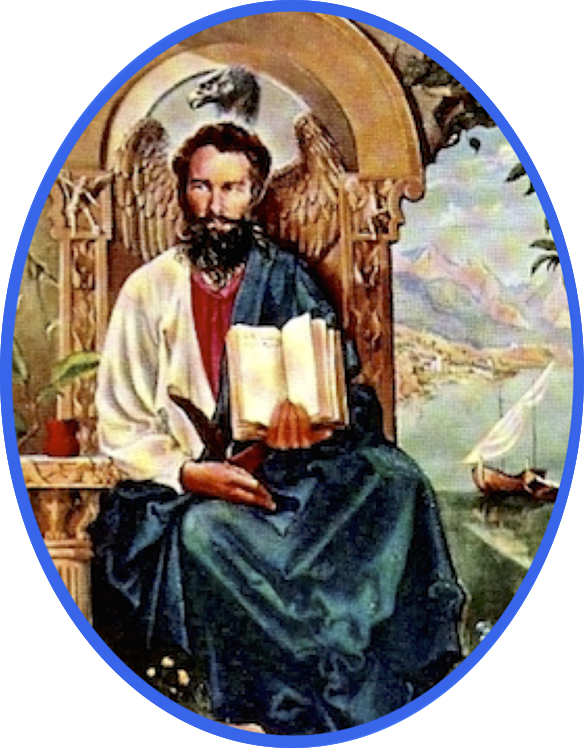
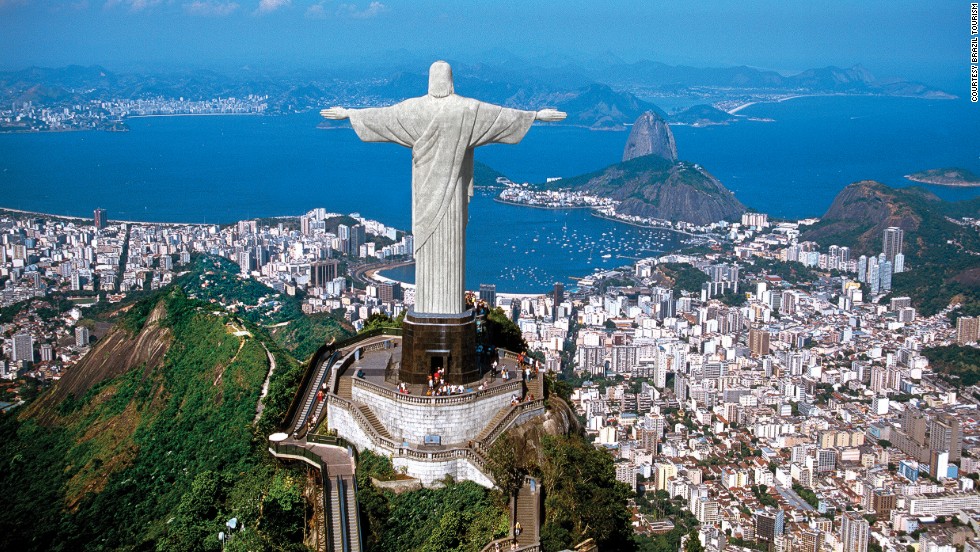


 A LINE FROM A POPULAR POEM BY RUMI about a field “Out beyond ideas of wrongdoing and rightdoing” has been repeating in my head since I published my previous post:
 Healing Tones